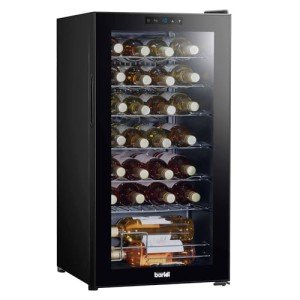
A Comprehensive Guide to UK Fridges: Types, Features, and Buying Tips
In the modern-day kitchen, a refrigerator is more than simply a home appliance; it is an essential element of meal preparation, food storage, and energy preservation. As susievasquez.top of numerous homes, specifically in the UK, fridges come in different types, sizes, and features to meet varied needs. This short article provides a substantial summary of fridges available in the UK, consisting of the various types, crucial functions to look for, and helpful buying suggestions.
Types of Fridges Available in the UK
UK consumers have access to a broad variety of refrigerator types, each dealing with particular storage needs and kitchen designs. Below is a table summarizing the most typical kinds of fridges discovered in the UK market:
| Type of Fridge | Description | Key Features |
|---|---|---|
| Leading Freezer | A traditional style with the fridge compartment above the freezer compartment. | Inexpensive, simple access, simple style |
| Bottom Freezer | Fridge on top, with a pull-out freezer drawer located on the bottom. | Hassle-free access to fresh foods, suitable for regular use |
| Side-by-Side | Functions two vertical compartments, one for the fridge and one for the freezer. | Sufficient storage, easy organization of frozen items |
| French Door | Combines a bottom freezer with double doors at the top, supplying large storage for fresh fruit and vegetables. | Stylish design, wide shelves, frequently consists of clever features |
| Compact Fridges | Smaller sized units designed for minimal spaces, suitable for offices, dormitories, or as secondary fridges. | Space-saving style, portable, limited storage |
| Integrated Frozer | A fridge with a little freezer compartment, ideal for people who need less freezing space. | Compact, energy-efficient, simple installation |
Key Features to Consider
When searching for a fridge, it is crucial to think about several essential functions that will dominate your life. The following list lays out the most essential factors to keep in mind:
1. Energy Efficiency
- Search for models with an A++ score or higher.
- Check for Energy Star certifications to guarantee low energy intake.
2. Size and Capacity
- Measure the offered space in your kitchen to make sure a proper fit.
- Consider your home size to choose the right capability (e.g., 100 to 300 liters).
3. Temperature level Control
- Ensure the fridge has adjustable settings to preserve optimal temperature for different foods.
- Try to find designs with different temperature controls for the fridge and freezer.
4. Storage Features
- Evaluate rack types (glass, wire, etc) and configurations (repaired, adjustable).
- Check for functions like door bins, crisper drawers, and egg trays for organization.
5. Noise Level
- Choose for models that offer quieter operations, especially for open-plan cooking areas.
6. Smart Technology
- Some modern-day fridges featured Wi-Fi connectivity, allowing users to keep track of and manage settings remotely.
Popular Brands in the UK Market
The UK market offers a broad range of reputable fridge brands. Consider the following alternatives when looking for a premium refrigerator:
- Samsung: Known for innovative functions and smooth styles, Samsung fridges often incorporate clever innovation.
- LG: Offers energy-efficient models with innovative cooling technology and stylish aesthetic appeals.
- Bosch: Recognized for dependability and toughness, Bosch fridges often include premium functions.
- Whirlpool: Provides a range of cost effective options, stressing user-friendly designs and performance.
- Beko: A popular choice for budget-conscious consumers, Beko is known for well-priced, trusted fridges.
Purchasing Tips for UK Consumers
Browsing the fridge-buying procedure can be frustrating. Here are some practical tips to assist make the option easier:
- Set a Budget: Determine your budget plan before checking out designs to limit choices.
- Compare Features: Don't decide on the first refrigerator you see. Compare various brands and designs to discover the best fit for your requirements.
- Examine Reviews: Look for client evaluations and independent assessments to determine the efficiency and dependability of various fridges.
- Look for Promotions: Keep an eye out for seasonal sales and promotions that can substantially lower costs.
- Consider Delivery and Installation: Some sellers include delivery and setup in the purchase; guarantee you understand these expenses as well.
- Plan for Maintenance: Review warranty options and think about extended warranties for added peace of mind.
Frequently Asked Questions (FAQs)
1. What size fridge do I need for a family of 4?
For a household of 4, a fridge with a capacity of approximately 300 to 500 liters is suggested, depending upon dietary practices and storage choices.
2. How typically should I clean my fridge?
The fridge needs to be cleaned every 1-3 months. Routine checks for ended food are essential for optimum health.
3. Are incorporated fridges more energy efficient?
Yes, most integrated fridges are developed to be energy-efficient, as they are typically smaller and utilize advanced technology.
4. Can I put a fridge in the garage?
It depends upon the garage temperature. Fridges need to not be exposed to severe temperatures, as this can impact performance. Always examine manufacturer guidelines.
5. What is the average lifespan of a fridge?
The average lifespan of a refrigerator is between 10 to 15 years. Proper upkeep can extend its life.
In conclusion, picking the ideal fridge can boost cooking area efficiency and guarantee food security. With numerous types, functions, and brands available, UK customers can make informed choices customized to their needs. Whether it's for a small studio house or a busy family kitchen, there is an ideal fridge for each home.